Celtic Stitches: A Hand-Crafted Font with Timeless Charm
There's something deeply satisfying about a font that feels genuinely hand-made. Celtic Stitches captures that warmth with its distinctive stitched texture and organic letterforms. This isn't just another decorative typeface—it's a design asset that brings authentic craftiness to projects where personality matters more than perfection. For designers, entrepreneurs, and creative professionals seeking a font with character, Celtic Stitches offers a compelling blend of tradition and tactile appeal.
Understanding the Visual Personality of Celtic Stitches
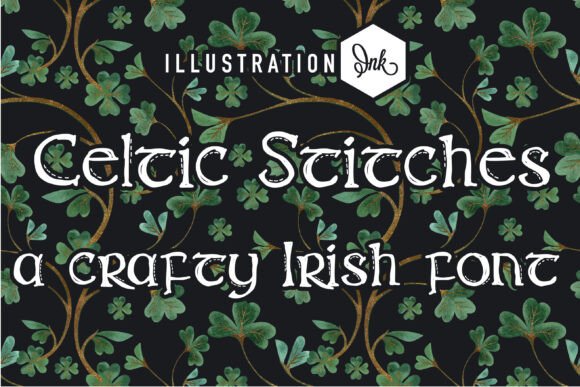
Celtic Stitches is a premium font that draws inspiration from traditional Celtic knotwork and embroidery traditions. Each character features visible stitch-like detailing that creates a textured, handmade appearance. The letterforms maintain a consistent baseline while incorporating subtle irregularities that mimic the natural variations of hand-stitching. This creative font works as a display typeface rather than body text, with its decorative elements making it ideal for headlines, logos, and attention-grabbing elements.
The visual characteristics include slightly uneven edges, thread-like connections between certain letter combinations, and a warmth that digital fonts often lack. It strikes a balance between a script font's fluidity and a serif font's structure, creating something that feels both familiar and distinctly artisanal. The overall effect is one of craftsmanship—a font that suggests time, care, and attention to detail in its construction.
Where Celtic Stitches Truly Shines in Real Projects
For branding and logo design, Celtic Stitches works exceptionally well for businesses that want to emphasize handmade quality, artisanal products, or traditional craftsmanship. Think craft breweries, specialty food producers, boutique hotels, or creative studios. The font's character helps establish brand identity for companies targeting audiences who value authenticity over mass-produced perfection. When used in packaging design, it can transform ordinary product labels into something that feels special and considered.
In editorial design and publishing, this handwritten font adds personality to book covers, magazine headlines, and chapter titles. It's particularly effective for genres like fantasy, historical fiction, or lifestyle publications where atmosphere matters. For digital applications, Celtic Stitches creates engaging social media graphics that stand out in crowded feeds. Its textured appearance translates surprisingly well to screens at appropriate sizes, making it valuable for web design elements like hero sections, featured posts, or promotional banners.
For personal projects and small business applications, the font offers versatility that many decorative typefaces lack. Wedding invitations, greeting cards, event programs, and personal stationery all benefit from its handcrafted aesthetic. Entrepreneurs creating merchandise, apparel designs, or digital products will find it adds perceived value through its artisanal quality. The key is understanding where its strengths align with project goals—Celtic Stitches isn't trying to be a workhorse sans serif font, but when used intentionally, it delivers remarkable impact.
Practical Considerations for Working with This Typeface
Choosing Celtic Stitches requires evaluating whether its personality fits your project's needs. For formal corporate communications or technical documentation, it's clearly not appropriate. But for creative, lifestyle, or artisanal brands, it can become a signature element. Always test the font in context—view it at the actual size it will appear, with the colors and surrounding elements you plan to use. What looks charming in a 72-point headline might become illegible at 14 points for subheadings.
Font pairing is where many designers struggle with decorative typefaces. Celtic Stitches works best when balanced with cleaner, more neutral fonts for body text. A simple sans serif font or readable serif font creates necessary contrast without competing for attention. Consider using Celtic Stitches exclusively for key elements—logos, main headlines, or call-to-action text—while letting supporting typography handle longer passages. This approach maintains visual hierarchy while ensuring readability across your design system.
Review the complete character set and available styles before purchasing. Many premium fonts include multiple weights, alternates, or stylistic variations that expand their usefulness. Check the licensing terms carefully—especially if you plan to use it for commercial projects, client work, or digital products. Understanding these practical details prevents issues later and ensures you're getting full value from your design assets.
When implementing Celtic Stitches in web design, pay attention to font file formats and loading considerations. While its textured appearance might suggest larger file sizes, optimized web fonts can perform well with proper implementation. For print projects, ensure your print provider can handle the font's details without losing clarity in the stitching elements. These technical considerations are just as important as the aesthetic ones when delivering professional results.
Ultimately, Celtic Stitches represents more than just another creative font option. It's a tool for adding human touch to digital creations, for suggesting tradition in modern contexts, and for helping brands tell their story through typography. In a world of perfect digital precision, sometimes what we need most is something that feels genuinely hand-crafted. This font delivers that authenticity while maintaining the professionalism required for serious design work. Whether you're creating a brand identity, designing marketing materials, or developing personal projects, Celtic Stitches offers a distinctive voice worth exploring.